Fence Company Permits and Conformity Guide
A fence looks simple until you're the one holding the measuring tape, the risk driver is thumping the soil, and somebody from next door begins asking inquiries regarding where that line really is. I've seen jobs go from "need to be a weekend job" to "we need a permit and a website plan" because a fence company treated the set up like it was only woodworking. In the majority of areas, fences sit precisely the edge in between exclusive improvement and public guidelines, so allows and compliance are not optional busywork. They are the distinction in between a tidy develop and a demolition request, a penalty, or a neighbor fight that lingers long after the last board goes in.
This guide is written for property owners working with a fence company and for specialists trying to maintain their paper trail as strong as their blog posts. The details transform city to city and also obstruct to block, but the reasoning remains the same: you require to recognize what regulations use, that enforces them, what you need to send, and how to prevent the most usual mistakes.
Why permits for fencings are such a huge deal
Fences can influence security, water drainage, exposure at crossways, utilities, and even access for emergency lorries. That's why local governments treatment. Zoning divisions look at fence elevation, area relative to residential property lines, products, and often design style. Preparation offices could appreciate surround "unique" districts like historic areas. HOAs and architectural evaluation boards include an additional layer, occasionally stricter than the city.
Then there are useful difficulties: easements, drainage swales, energy lines, and shared borders. An authorization procedure usually requires quality on those subjects up front. Without it, you can construct a fencing that practically "fits," but goes against a setback guideline or lands in an easement. The results is hardly ever enjoyable, because you can not always deal with compliance by relocating one article. Occasionally you need a redesign, a new design, or evidence that the original area was correct.
I once complied with a develop where the homeowner had actually currently ordered the panels, and the staff was ready to establish articles. The next-door neighbor's energy locator demands were postponed, and in the meanwhile they excavated thoughtlessly. They really did not hit anything, however they did find the fencing line went across an easement hallway where access required to stay clear. The fence company had to adjust the layout and upgrade the gate. It didn't come to be a disaster, but it did come to be pricey and stressful because the "where can we construct?" concern was delayed until after job started.
The rulebook stack: city, area, HOA, and the fine print
When people talk about "fence allows," they frequently indicate one authorization from one location. In truth, you may be managing numerous authorities, each with different thresholds.
Local building and zoning rules
Most authorizations (when required) come via the building department or a preparation or zoning office. They generally concentrate on height restrictions, placement problems, and exposure constraints. You may also require a permit if the fence includes structures like gates with details hardware, preserving wall surfaces, or stonework work.
City policies can differ by:
- Residential vs. Business zoning
- Corner great deals, where presence at intersections matters
- Proximity to public rights-of-way or easements
- Fence kind, like solid personal privacy vs. Open up picket styles
- Fence elevation over a particular point, particularly for front yards
HOAs and architectural review
If your property has an HOA, it might need approval also when the city does not. HOAs commonly appreciate aesthetic appeals, products, and color, and they might limit fence area and elevation beyond what zoning permits. Some HOAs need submittal plans with illustrations, images of the recommended fence, and examples of color.
A typical failing setting: a fence company safeguards a city license, yet the home owner never ever gets HOA authorization. The city process clears the security and lawful positioning concerns, however the HOA can still release an infraction and demand changes.
Easements, energy corridors, and drainage
Even when a fencing is "permitted" in a zoning feeling, easements can regulate where posts might go. Energy companies and region drain departments sometimes have demands for minimal clearances and gain access to. The authorization procedure, when done right, should flag these problems. When it's missed, you may find out about an easement by hand, during excavations or after receiving an enforcement notice.
What generally causes a permit
Because you asked for a compliance guide and not a one-size-fits-all statement, right here's the straightforward response: licenses depend upon local code, however there are reoccuring triggers that turn up across numerous territories. If you're hiring a fence company, these are the concerns that typically establish whether a license is required.
Fence elevation and placement
Many places allow much shorter fencings without licenses, yet need authorizations for taller structures or particular positionings. Front-yard fencings commonly have more stringent constraints than yard fences. Corner lots regularly have added regulations because sightlines need to remain clear.
Any framework beyond a fundamental barrier
Solid masonry fencings, fences with integrated features, and fencings near keeping walls can require authorizations. Even when a fence by itself appears easy, the local reviewer may treat it as a "structure" if it includes much heavier products or considerable grading.
Drainage and rating changes
If your project needs relocating dirt, transforming drain patterns, or adding a base that changes stormwater circulation, you may be in permit region. Blog post holes audio safe, yet when you're mounting many blog posts along an incline, the cumulative grading can matter.
Work inside or near a right-of-way
A fence that elbows in on public residential property, also by a percentage, is a recipe for hold-ups and revamp. If your fencing will be near a street or beside public pathways, it's worth treating it as a higher-risk case.
Permitting process: what you'll typically experience
Even though each district runs its procedure differently, most fence authorization process follow a comparable rhythm: application, evaluation, and either authorization or ask for clarification.
Here's what that resembles in the genuine world.
First, you send an application. In some cases the property owner sends, often the fence company does on their part, and often both coordinate. The application normally asks for the fencing dimensions, products, planned location, and sometimes pictures or maker information.
Next comes the strategy evaluation stage. Reviewers may examine the fence against zoning laws, obstacle needs, and elevation limits. If your whole lot remains in an unique area, style guidelines might go into the conversation.
Then you could get conditions. Problems can include demands like using a particular design on a particular side of the building, readjusting height, or supplying evidence of whole lot line accuracy. It's not uncommon to get follow-up questions, especially if your home line pens are vague or if the recommended fence appears too near a boundary.
Finally, you get approval, and afterwards the project proceeds. Some jurisdictions need assessments at certain phases, such as validating blog post depth prior to concrete cures, or checking fencing height after installment. If inspections are required and skipped, you can end up with disobedience also if your fence "looks penalty."
The "gotchas" that create compliance failures
Permits aren't just about getting a stamp. They have to do with making sure you build what the authorization covers. Here are the concerns that regularly hinder projects.
Assuming property lines are obvious
If you have actually never ever contrasted your action summary to a survey, you already understand the response: borders can be unusual. Fences developed "where it appears" can drift. A couple of inches here and there might not feel like much, however setback policies are determined from a specified boundary. Additionally, fencing disputes commonly escalate when a neighbor thinks the fencing is over the line.
My favorite practical device is straightforward: a survey or laying done early. If you have a recent survey, use it. If you do not, ask whether your area generally approves alternate paperwork. Some communities like a formal study for fence jobs, specifically when setbacks are tight. Your fence company should be transparent about what they can and can not verify.
Ignoring easements
An easement can leave a residential or commercial property for utilities or drainage. Your fencing could be allowed outside the obstacle line, however still restricted in an easement corridor due to the fact that the proprietor and utility company must preserve access.
This is one more spot where a trusted fence company earns its keep. They should ask about taped easements and discuss how your fencing format will respect accessibility paths.
Building a different fencing than the authorized plan
This occurs more frequently than people admit. Perhaps the property owner adjustments materials midstream, or the staff substitutes an item that "looks the same" in the lawn. However if your permit is based upon a specific height, visibility degree, or material type, the alternative may go against the approval.
The safe technique is to treat any substantial adjustment as a compliance occasion. If the accepted strategy says a particular height or style, record the change and validate whether you require an amendment.
Treating HOA and city rules as redundant
They are not. A fence that pleases city zoning can go against HOA visual requirements. An HOA-compliant fencing may still be out of compliance with the city if it goes against height or placement guidelines. When both use, conformity is a stack, not a solitary pass.
Choosing a fence company that does not deal with conformity like an afterthought
A good fence company discusses policies early, prior to the initial quote is last. The most effective ones bring up licenses as a routine part of scoping. Not in a frightening method, not as a sales technique, yet as a "we need to do this right" step.
When you're obtaining price quotes, you can ask targeted questions. You want clearness on that handles the permit and what takes place if the authorization procedure alters the plan.
Here's a brief list that conserves a lot of back-and-forth.
- Confirm whether a permit is needed for your certain fencing height and location
- Ask who sends the application, and how much time review typically takes in your area
- Request a written scope that matches the allowed design, consisting of elevation and materials
- Clarify how property lines and easements are verified prior to post layout
- Find out whether inspections are needed and when the firm schedules them
This list is deliberately small due to the fact that the real secret is not words on the checklist, it's the self-confidence you receive from the solutions. If your fence company acts obscure on license obligation, rejects to discuss easements, or can not discuss just how they make sure the fence straightens with residential or commercial property lines, you're heading towards trouble.
Documents and information you may need to provide
Permit entries are not usually just "fencing, yes or no." Reviewers often require enough information to evaluate the fencing's legal effect and functional fit on the property.
Find more information
Common documents includes:
- A site strategy showing fencing area relative to home boundaries
- Fence altitude details, frequently consisting of elevation measurements
- Material and style details, specifically for strong vs. Open up styles
- Sometimes pictures of the surrounding location, particularly for HOA or unique districts
- Proof of residential or commercial property line details, such as study information, depending upon jurisdiction
The exact paperwork differs, and no person should assure universal demands. Your fence company must inform you what your city or area expects based on local experience, or assist you discover the official checklist.
Height restrictions, problems, and visibility: how reviewers think
You could not have the neighborhood code remembered, however you can recognize the customer's perspective.
For height and positioning, the concern is typically safety and area compatibility. Also tall and as well close to a street can develop presence threats. Solid fences in specific areas can also affect airflow, light, or sightlines.
For obstacles, the problem is building boundary stability and protecting against border infringement. Customers want fencings far enough from defined borders to stay clear of disputes and to maintain future limit maintenance possible.
For visibility zones at corners, think of it similar to this: if a driver can not see clearly when coming close to a crossway, the fencing becomes a threat. That does not indicate fencings are banned, it implies places and elevations matter.
If your fence company proposes a layout near an edge or driveway visibility location, they must be able to discuss the logic. If they're presuming, ask even more inquiries. This is one-time when "we'll figure it out later" can cost real money.
Inspections and conformity after the permit
Sometimes people stop caring after the license is authorized. That's when troubles slide in.
Inspections, if needed, commonly focus on:
- Post spacing and alignment
- Post deepness, particularly if the ground conditions call for particular depths
- Fence elevation after installation
- Compliance with the allowed design
If assessments are not required in your territory, conformity still matters due to the fact that enforcement can occur later. A next-door neighbor can report a fence that appears to surpass elevation limitations, or an enforcement policeman can inspect after construction. When the fence company files measurements and maintains photo records of the installation, you have a far better chance of resolving problems quickly.
An information I such as to see is post-install documents, also when not mandated. A couple of images per side, taken with a tape measure visible, can transform a disagreement from emotional into factual.
Special situations that typically surprise homeowners
Gates and access
A fence with gateways can trigger extra evaluation, particularly if entrance hardware impacts swing, placement, or gain access to clearance. If you require a driveway entrance, talk via clearance demands and just how the gate will run without disrupting sidewalks or right-of-way.
Retaining wall surfaces and fencings on slopes
Sloped yards can force you to make grading decisions, like stepping a fencing or adding a base. That can alter the fence elevation as measured at various points. Reviewers frequently analyze elevation based on specified measurement factors. When you plan a fence on uneven ground, a fence company must speak about just how they will certainly gauge and offer the height.
Historic areas and design guidelines
If you reside in a historical community or a district with style controls, the permit may concentrate more on appearance than height. Products, color, and fencing design can matter. Your fence company should have the ability to suggest alternatives that are most likely to be accepted, not simply options that are most convenient to install.
A useful path with the process
If you're really feeling bewildered, you do not require to memorize every code area. You need a process that maintains decisions aligned with compliance.
Start by clarifying the goal: personal privacy, security, pet containment, border fence installer definition, sound reduction. Those goals influence fencing style, which influences conformity. After that confirm the basic specifications, specifically fencing elevation and location.
Next, validate border and website restraints. If you have a survey, utilize it. If you do not, ask the fence company whether a survey or staking is common for this sort of job in your location. This is not concerning mistrust, it has to do with precision.
Then coordinate permits and authorizations before buying materials. When you place an order based upon an unauthorized strategy, changes can come to be costly quickly. And when something changes, document it. A fence company that keeps great records makes compliance easier for everyone.
If you desire a last fast reference of what to do when your fence company is on-site, utilize this 2nd list as a fact check, due to the fact that tiny variances are where conformity issues hide.
- Measure and confirm the planned fence elevation and layout prior to any type of holes are dug
- Verify article areas versus the great deal line references made use of in the authorization plan
- Check gateway positioning and clearance before final hardware installation
- Keep copies of authorization files and any kind of strategy amendments on hand
- Take images during installation for your records
What compliance looks like when it goes well
The best tasks feel tranquil. There's a plan on paper, an intend on the ground, and a common understanding of what the fence is meant to be. When licenses are dealt with early, the build actions much faster later on since the crew isn't stopping to revamp the layout.
You'll observe it in the information: clean line job straightened with border referrals, gateways that close appropriately due to the fact that their swing area was intended, posts that match the needed depth and spacing, and a finished fence that matches the authorized design.
It's additionally visible in the conversation. A certified fence company can clarify the "why" behind decisions. They'll talk about elevation selections, placement reasoning, easement understanding, and the reason they requested a specific dimension. That's the distinction between a specialist that installs fencings and one that comprehends the job as a legal, technical, and building task at the exact same time.
Bringing it home: compliance is part of the craft
A fencing can be a backyard upgrade, a protection upgrade, and a limit you finally stop worrying about. The paradox is that the a lot more individual and noticeable the project is, the more vital conformity ends up being. Authorizations and regulations secure you from the worst outcomes, consisting of having to eliminate a fence you paid for.
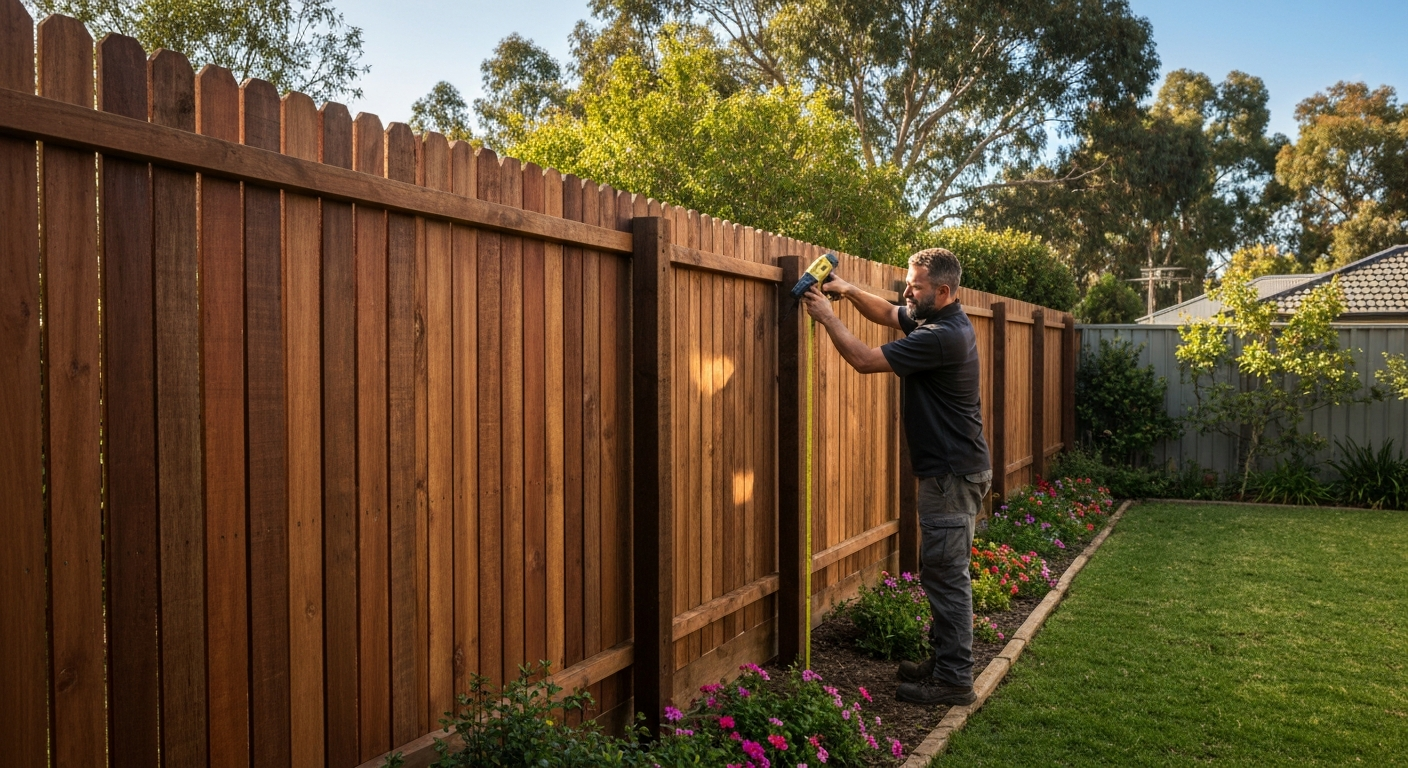
If you take one perspective from this overview, allow it be basic: deal with a fence company's conformity procedure as part of the quality of the job, not a tax obligation on the job. The adventurous part of fencing building is the energy, the hands-on craft, and the change. The professional part is ensuring the energy does not outrun the rules.
If you share your city or area and the approximate fencing height, I can describe the type of authorizations and typical testimonial points you're probably to encounter, and what inquiries to ask your fence company before you authorize anything.